
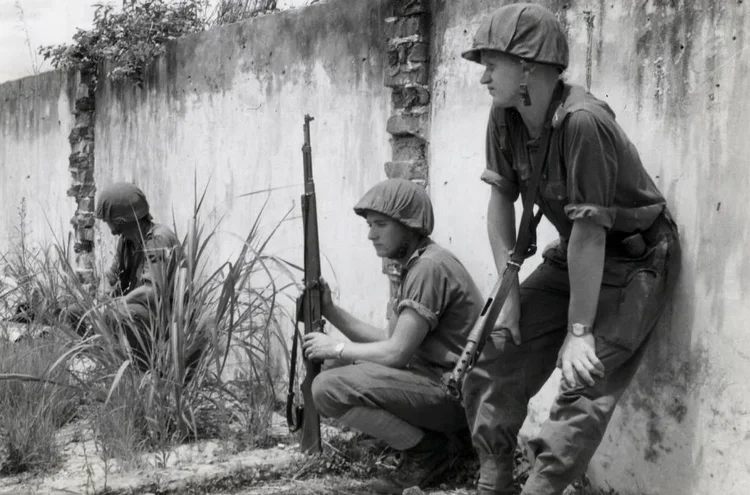
LETTERS FROM THE CONGO
Photo: Lars Frost
More than 6,000 Swedes took part in the United Nations operation in the Congo during the so-called Congo Crisis. The operation lasted from 1960 to 1964, and UN troops came under severe pressure on several occasions.
One of the principal duties of the Swedish troops in Elisabethville was to manage and guard the large refugee camp situated near the city. The camp grew extremely rapidly, and within just a few weeks in August and September, an estimated 40,000 refugees from the Baluba tribe had sought refuge there.
The situation eventually became extremely difficult to manage, and disturbances broke out on several occasions. UN soldier Lars Frost describes these difficulties in letters home to his mother.
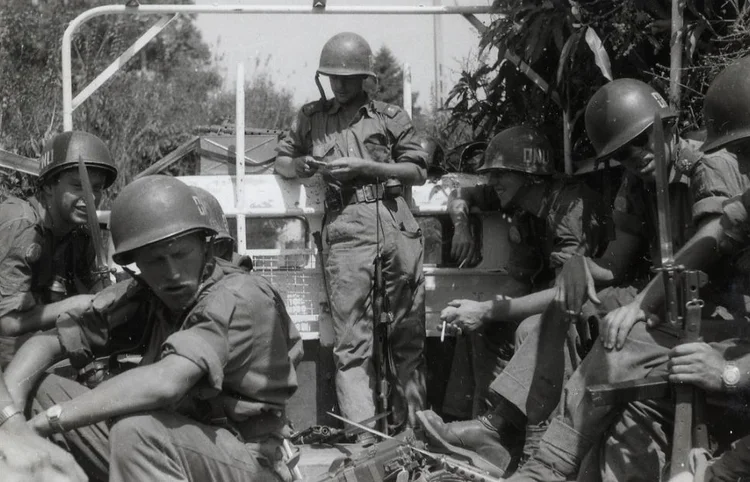
Photo: Lars Frost
Elisabethville, Congo, 4 September 1961
Dear Mum,
Yesterday, while I was sitting writing to you, the alarm was raised and we (15 men) were ordered to go to Kolwezi (300 km away), where trouble was brewing, but in the end we didn't go. Instead, we went out on patrol, which means driving around the villages in an armoured car and demonstrating our strength so that nobody gets any ideas about challenging us. I took part in the disarming of the gendarmes. We occupied the entire city. I was involved in capturing one of the radio stations at 05:00 on Monday morning last week. The staff at the radio station were asleep when we stormed the building. They woke up terrified, with the points of our bayonets aimed at their stomachs. Among others, we had President Tshombe in our custody, and I took the opportunity to photograph him while he was speaking to the deputy commander, Major Mide. He was subsequently released. We captured 53 white officers, but left the black officers alone. However, the black officers have now taken matters into their own hands and are persecuting black people belonging to the Baluba tribe, who are therefore seeking protection with us. Despite this, plain-clothes gendarmes sneak into the refugee camp at night and murder Balubas. One morning, our military police unit found ten mutilated bodies among the bushes on the outskirts of the camp. And this is despite the fact that we guard the camp throughout the night with machine guns and powerful searchlights.
I think the number of refugees has now risen to 10,000. It's dreadful. They have brought all their household belongings with them and are building simple huts or shelters against the wind and sun. The children scream constantly. The day before yesterday, NN and I were handing out rice. The queue was 50 metres long and seemed never-ending, but the rice certainly wasn't, and when it ran out, all hell broke loose. I told them to wait while we fetched some more, but we weren't allowed to distribute any more rice that day. We didn't dare go back and tell them, because they would have lynched us. An hour later, when it was dark, we went back and they were still standing there waiting, but we didn't go all the way up to them. I wonder how long they stood there...?
(…)
With love,
Lars
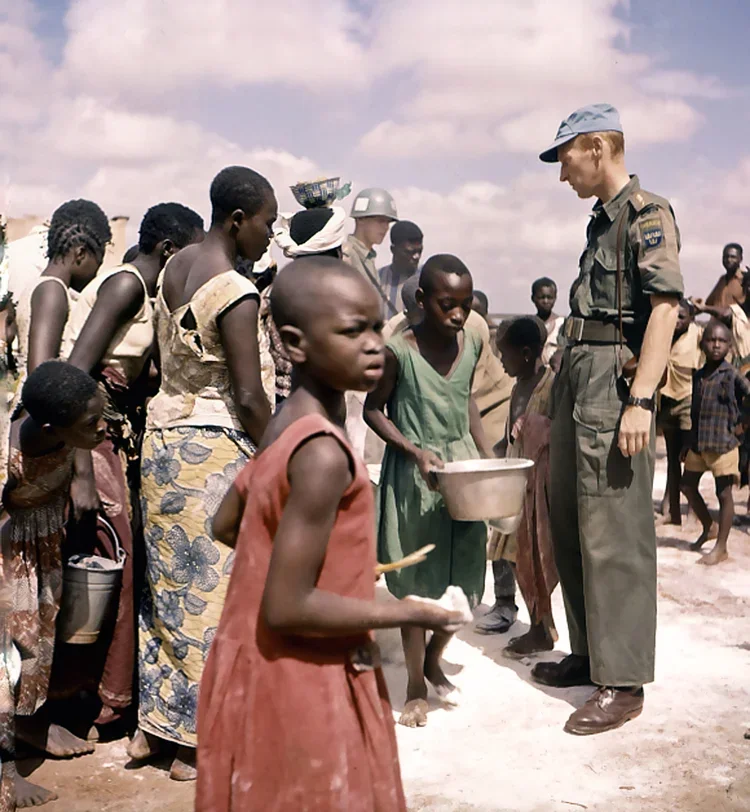
Food distribution at the Baluba refugee camp. Photographer: Unknown.
E-ville, 8 October 1961
Dear Mum!
Thank you very much for the parcels. I've already eaten one tin of matjes herring. I had it with boiled potatoes today, and it was absolutely delicious. I certainly hope it won't be the last time you send me some. I'm rather furious that the photographer ruined 19 photographs, including some of historical importance that only two other men in the entire battalion, apart from myself, were in a position to take. They were photographs of the arrest of President Tshombe, the very ones I was looking forward to seeing more than any others. But there's nothing that can be done about it now. Which photographer did you take them to? Otherwise, the photographs were excellent, and I'm sending home another couple of rolls of film now as well.
In a letter I received the other day, you asked what you could send me. The only things I want are herring, Kalles Kaviar and coffee. Everything else is available down here. We're beginning to get quite a decent selection of things to put on our sandwiches now. Otherwise, everything is much as usual. I've signed a new contract, which commits me to staying here until 15 June 1962, although I'll almost certainly be coming home before then, sometime towards the end of May.
If another reporter from a newspaper comes round, all you need to tell them is that I'm safe and well and getting along reasonably well. What I've been through is not something to be spread around among the general public. It's bloody awful enough as it is without some newspaper making use of it. The public wouldn't understand anyway, and they're better off not knowing.
Once again, thank you for the herring and prawns, and I hope you're all keeping well.
With lots of love and warmest wishes from Lasse!
P.S. It's rained on two evenings now since I arrived here.
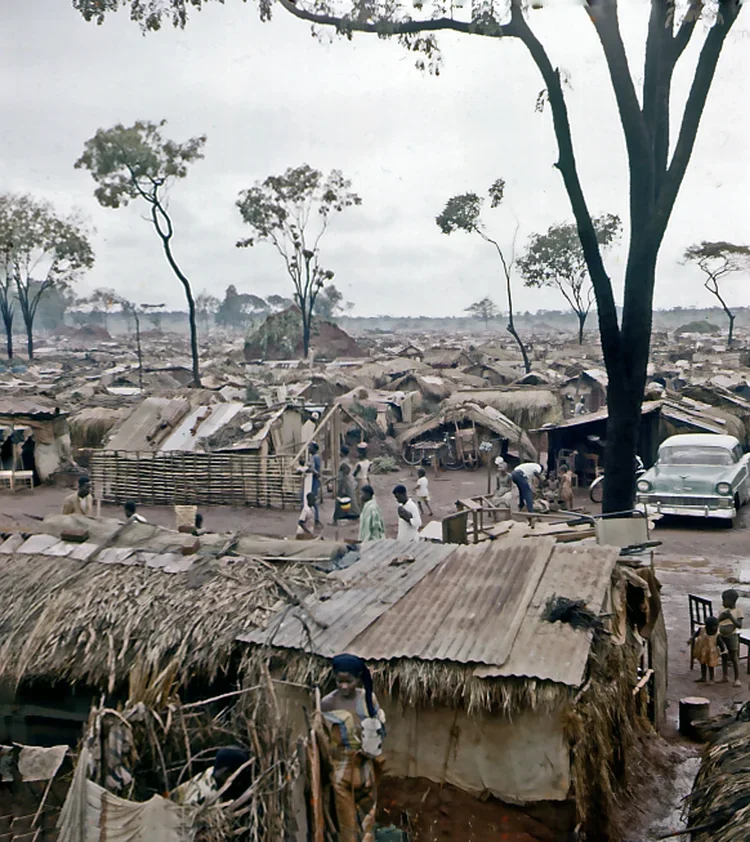
The refugee camp. Photographer: Torsten Dahlén.
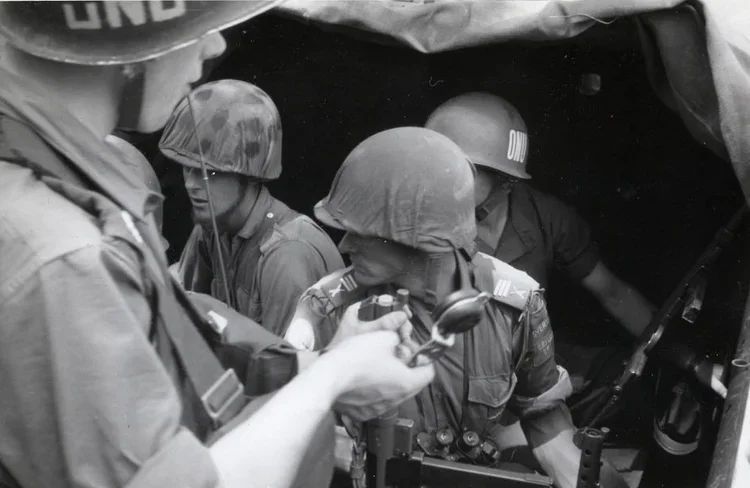
“In a KP armoured personnel carrier, on our way somewhere.” Photographer: Unknown.
Quisque iaculis facilisis lacinia. Mauris euismod pellentesque tellus sit amet mollis.